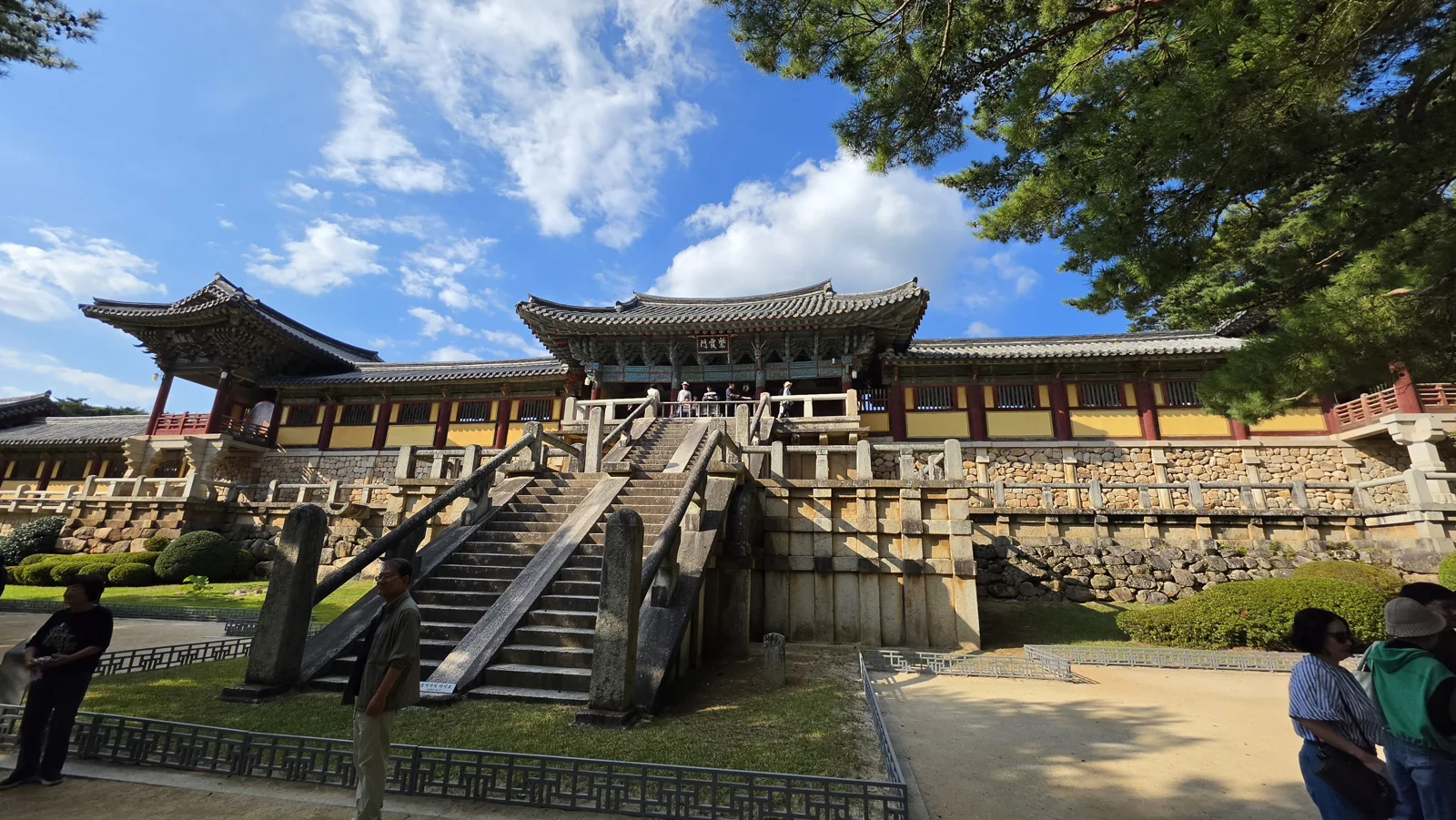
What I liked about Gyeongju
I spent October 9–11 in Gyeongju. What I enjoyed most was how distinctly Korean it felt to me. The traditional rooflines, old stone walls, and history around town made walking here feel like stepping back in time.
That was a different experience from exploring Busan. I enjoyed the history itself, but also seeing it as part of the surroundings while I walked between places. I’d come for a weekend, and the atmosphere ended up being the thing I remembered most.
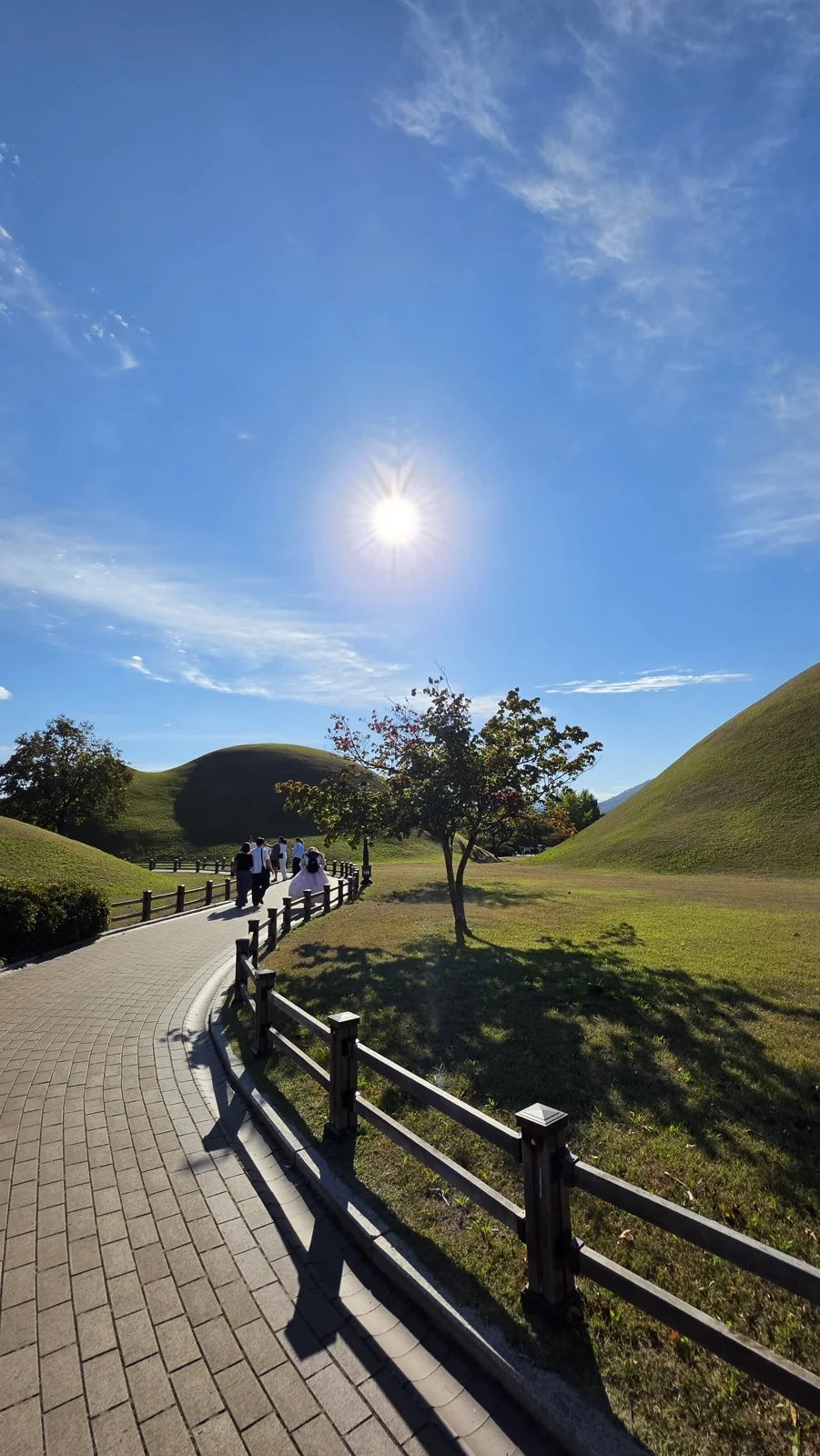
Walking beside the ancient tombs
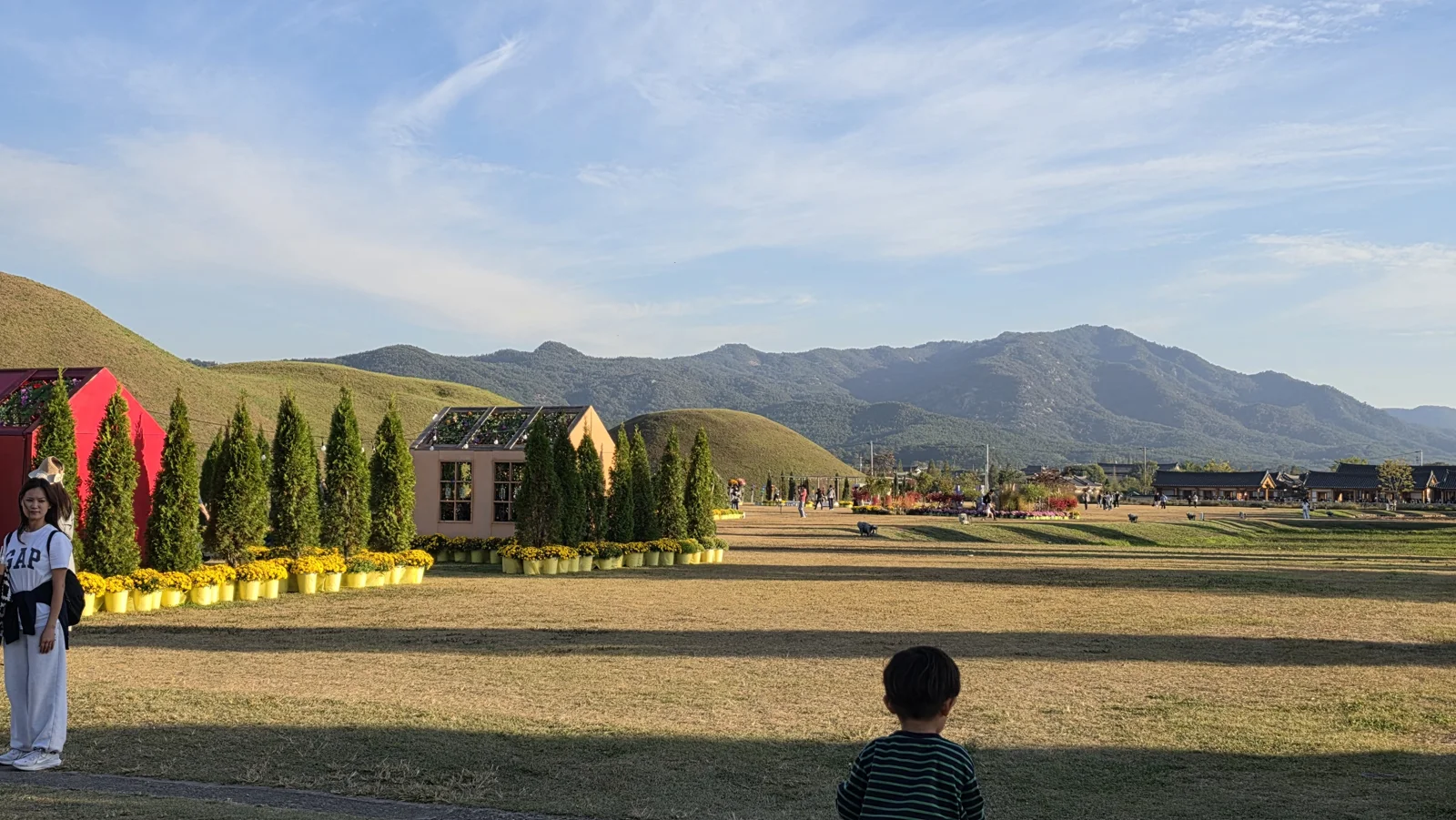
The rounded green burial mounds were one of the clearest reminders of Gyeongju’s history. They stood out against the blue sky, with paths and trees around them. Knowing these were ancient tombs changed the way I looked at what might otherwise seem like small hills.
Gyeongju was the Silla capital, and its UNESCO-listed historic areas include royal tombs, palace remains, and Buddhist monuments. UNESCO’s overview is a helpful introduction to how those sites fit together.
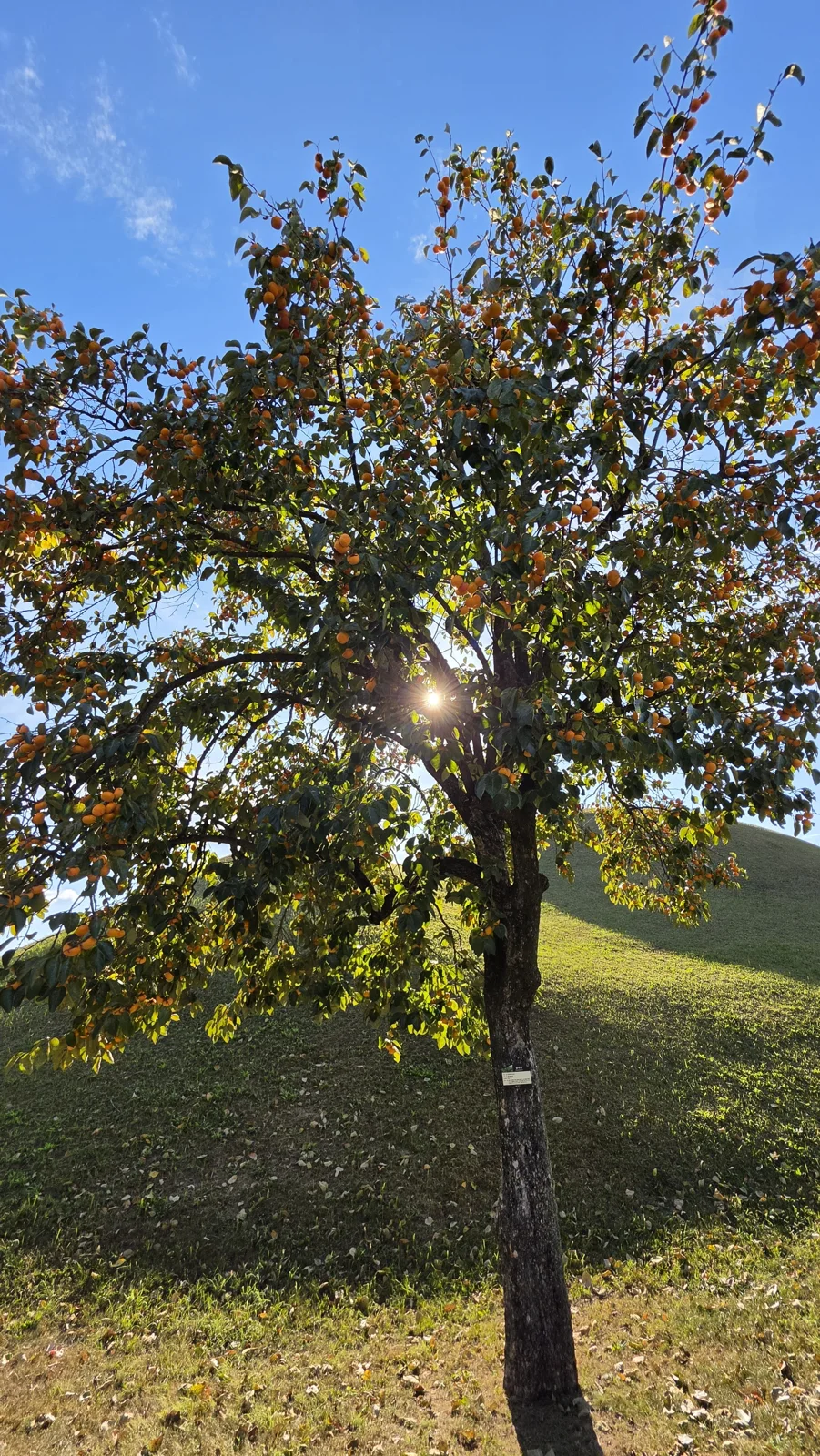
I also noticed the persimmon trees. It was the combination of the tomb landscape and those smaller details along the paths that made this a part of town I enjoyed walking through.
Hwangnidan-gil, side streets, and my dream car
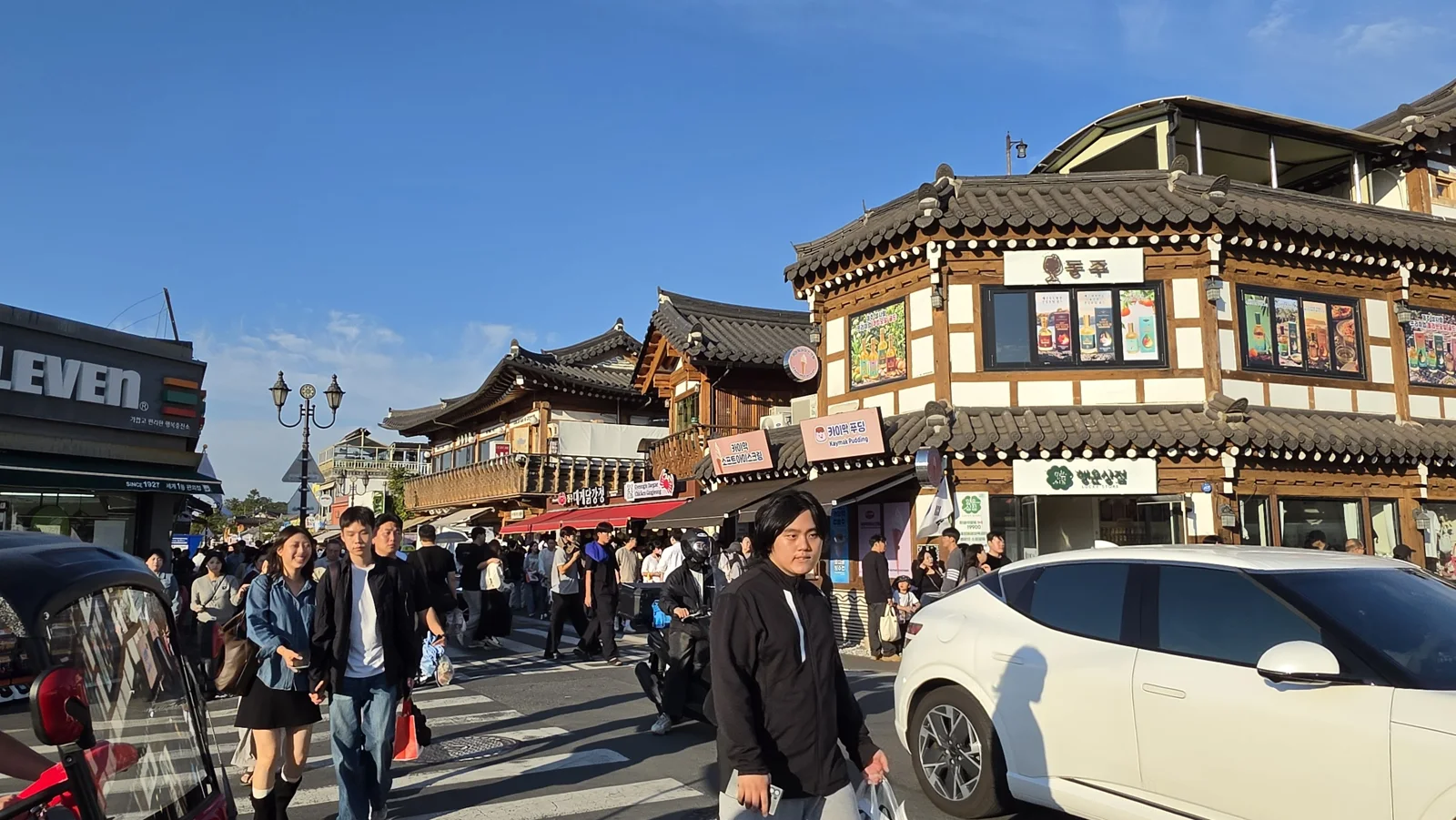
Around Hwangnidan-gil, traditional rooflines sat above cafés, shops, and streets full of people. I liked seeing the older style of the buildings alongside what was happening around them today.
It’s a useful area to combine with the central tombs. Visit Korea’s Hwangnidan-gil introduction describes the hanok cafés and shops and their location near the historic sights. I’d explore some side streets as well as the busier main stretch.
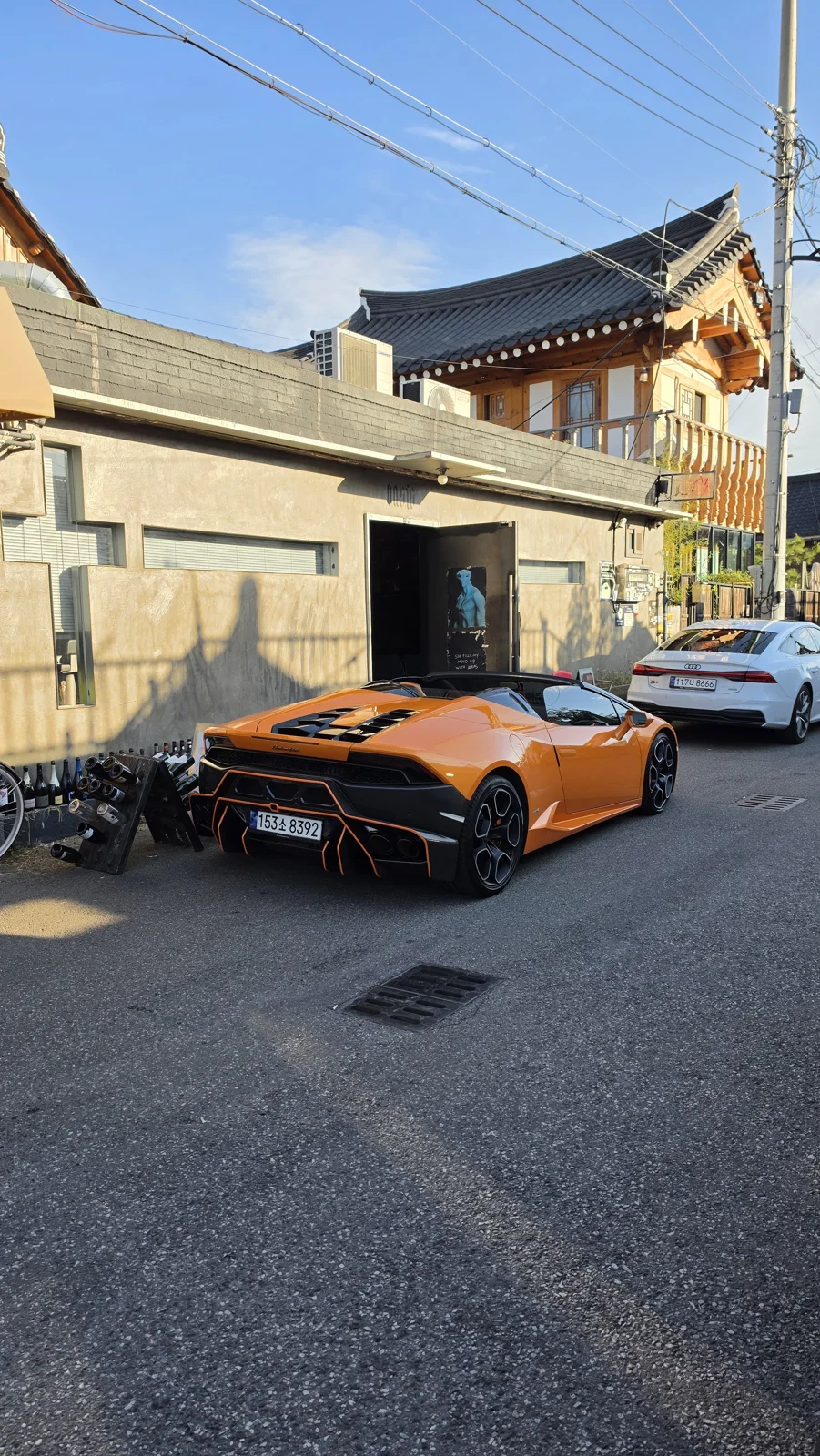
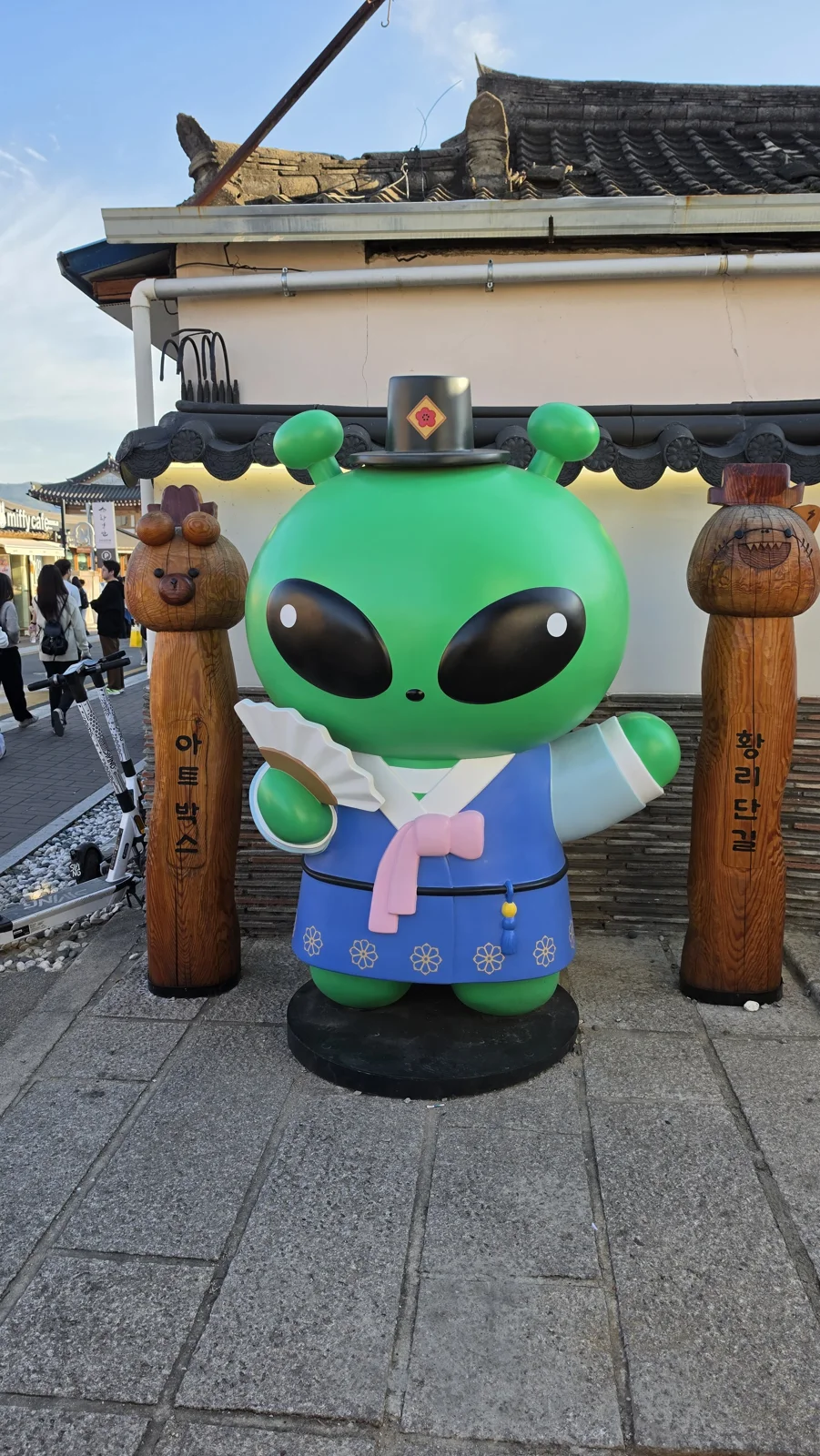
One unexpected detail was spotting my dream car. There it was on a side street, with the traditional buildings around it. Flowers, a character outside a shop, and fruit trees also caught my attention as I walked.
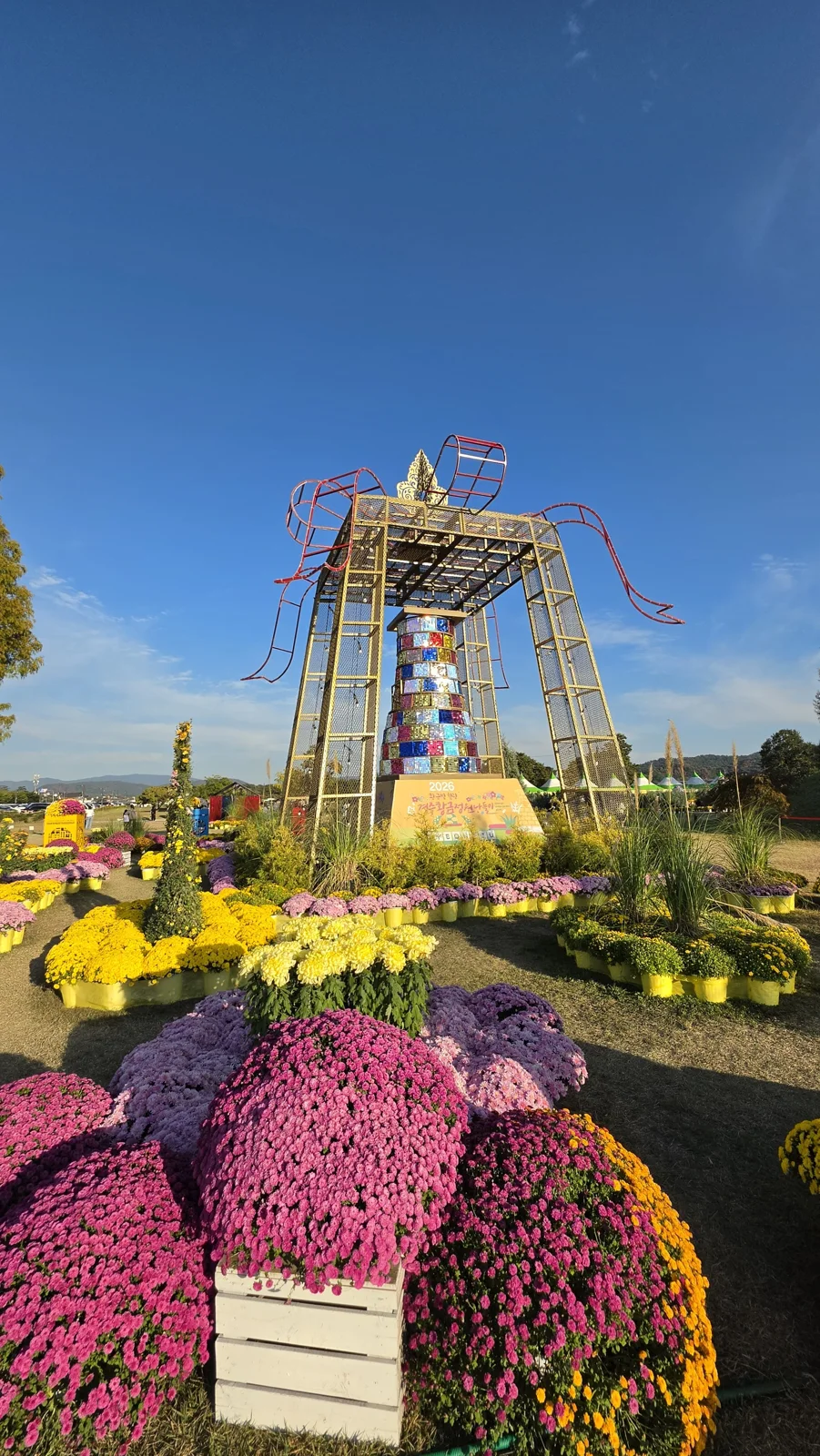
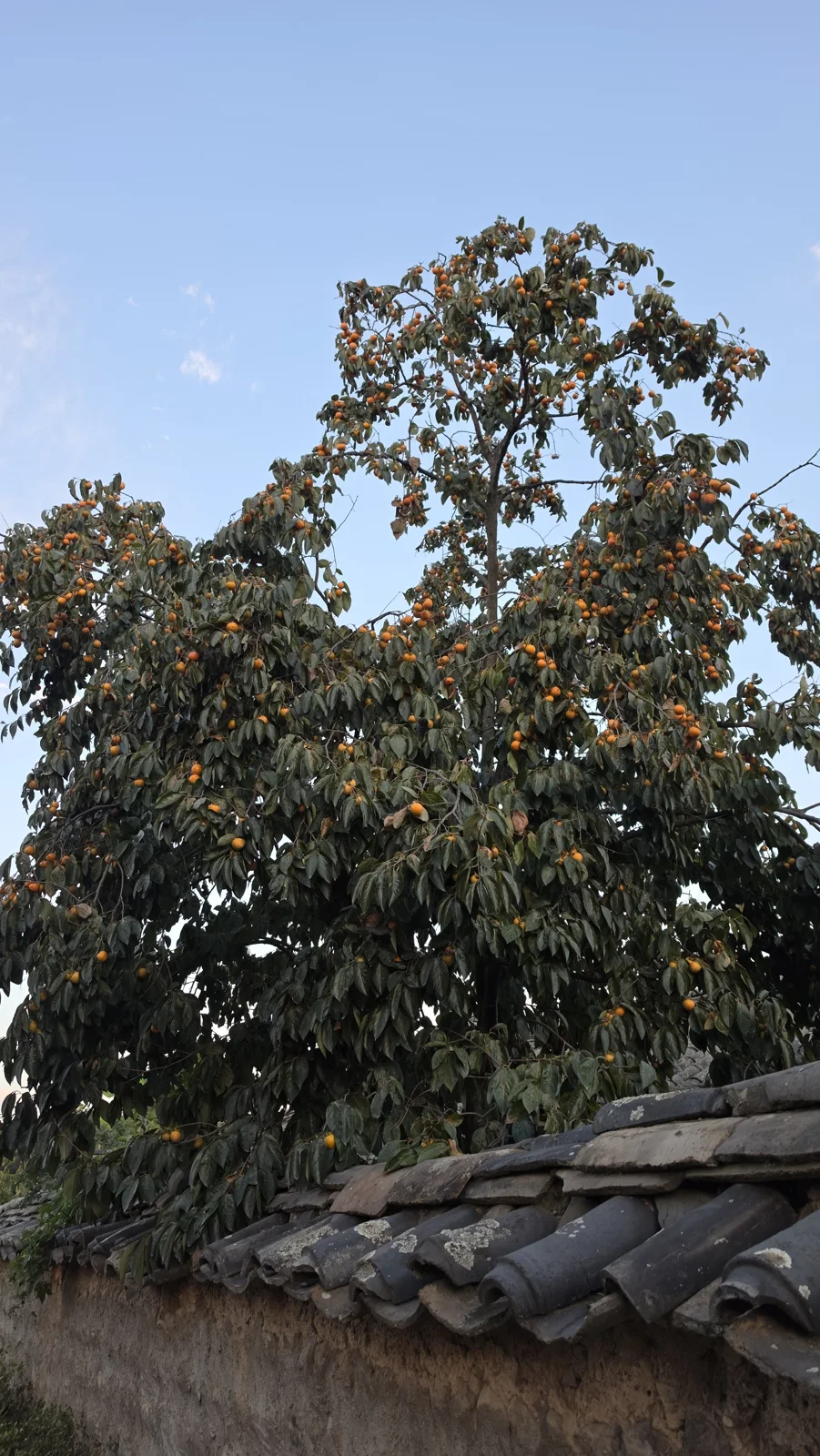
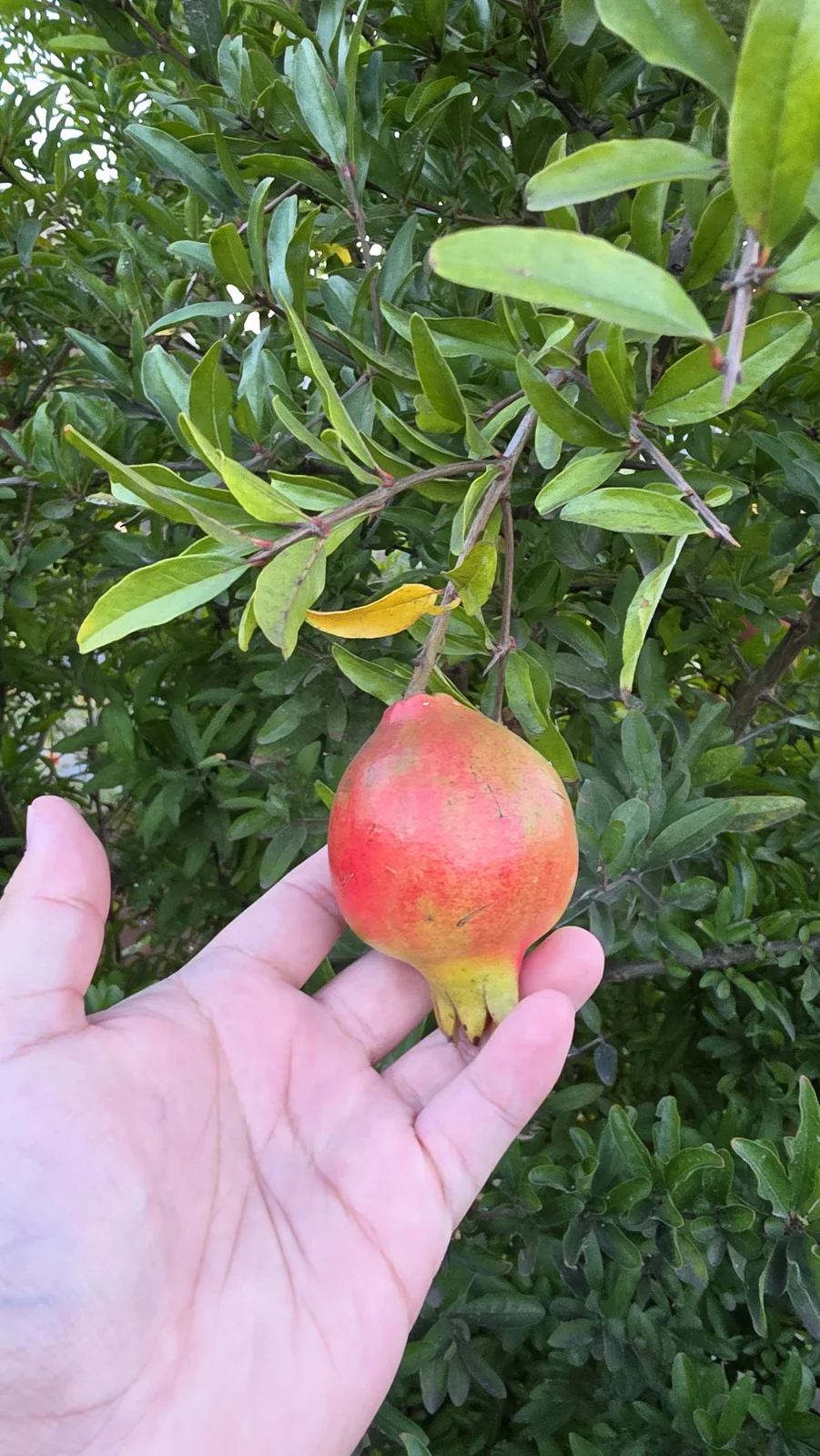
A persimmon tree rose above one tiled wall, and I got a closer look at a pomegranate on another tree. Those are separate trees from the same afternoon of exploring.
Bulguksa Temple and the history I came for
I visited Bulguksa Temple on Saturday. The stone stairways, painted wooden buildings, and courtyards made it a memorable part of the weekend. After enjoying the traditional feel of the town, spending time at the temple gave me another way to connect with the history I’d come to see.
Bulguksa’s origins reach back to the Silla period. It has also been rebuilt and restored over the centuries; the buildings you see today have their own long story of damage and renewal. The temple and nearby Seokguram Grotto were inscribed together as a UNESCO World Heritage Site in 1995. Read about the UNESCO site or see Visit Korea’s Bulguksa introduction.
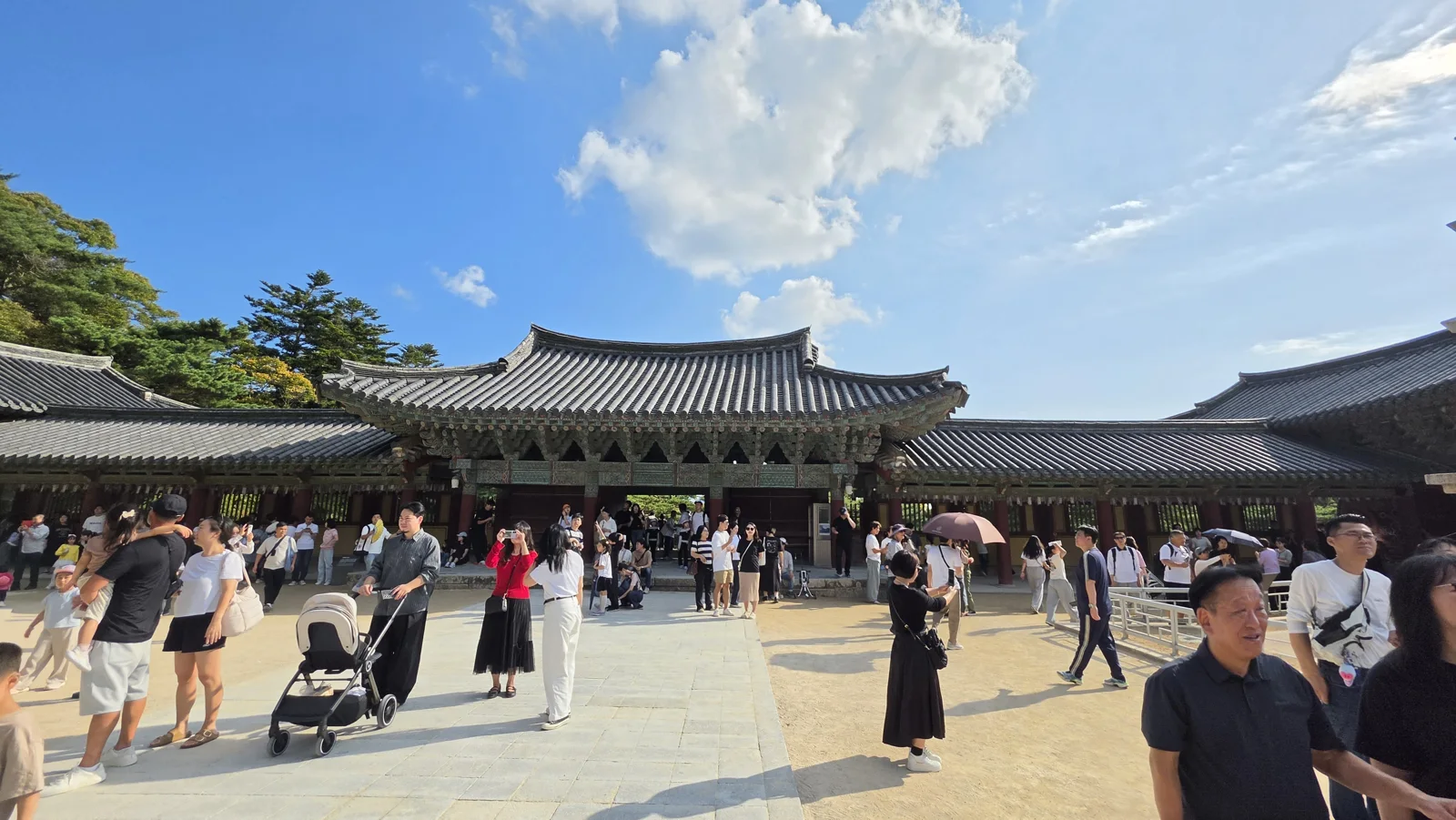
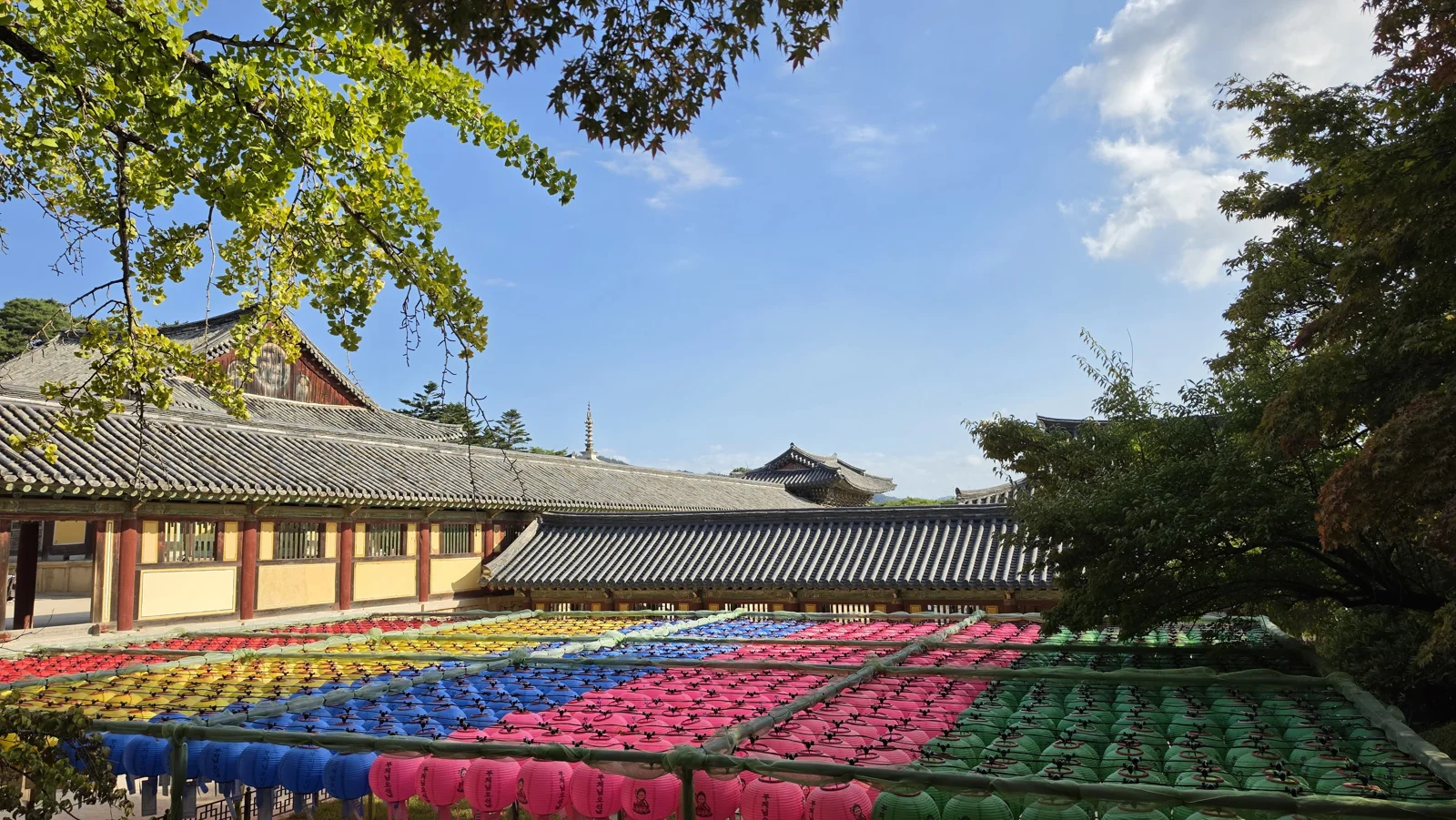
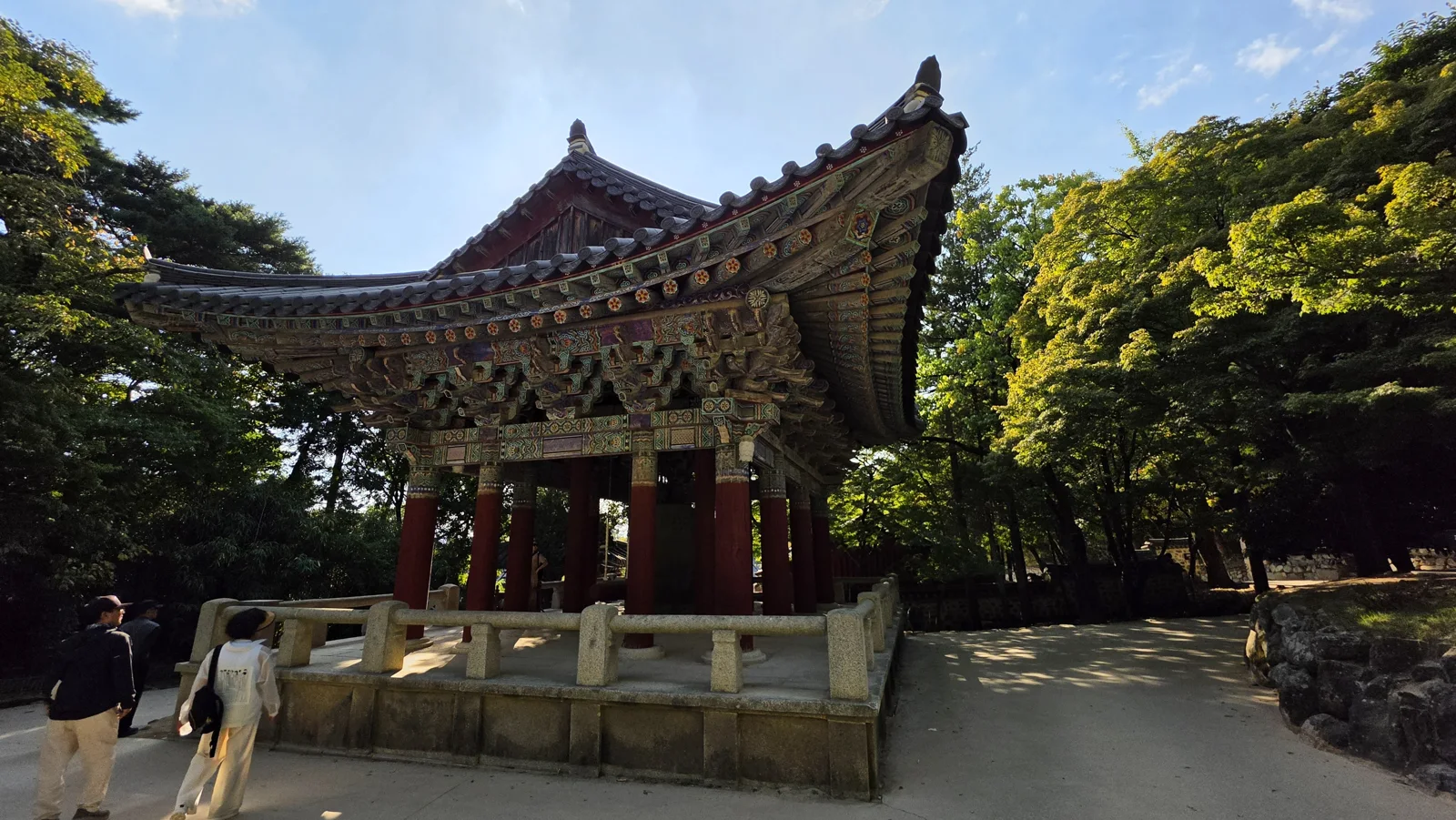
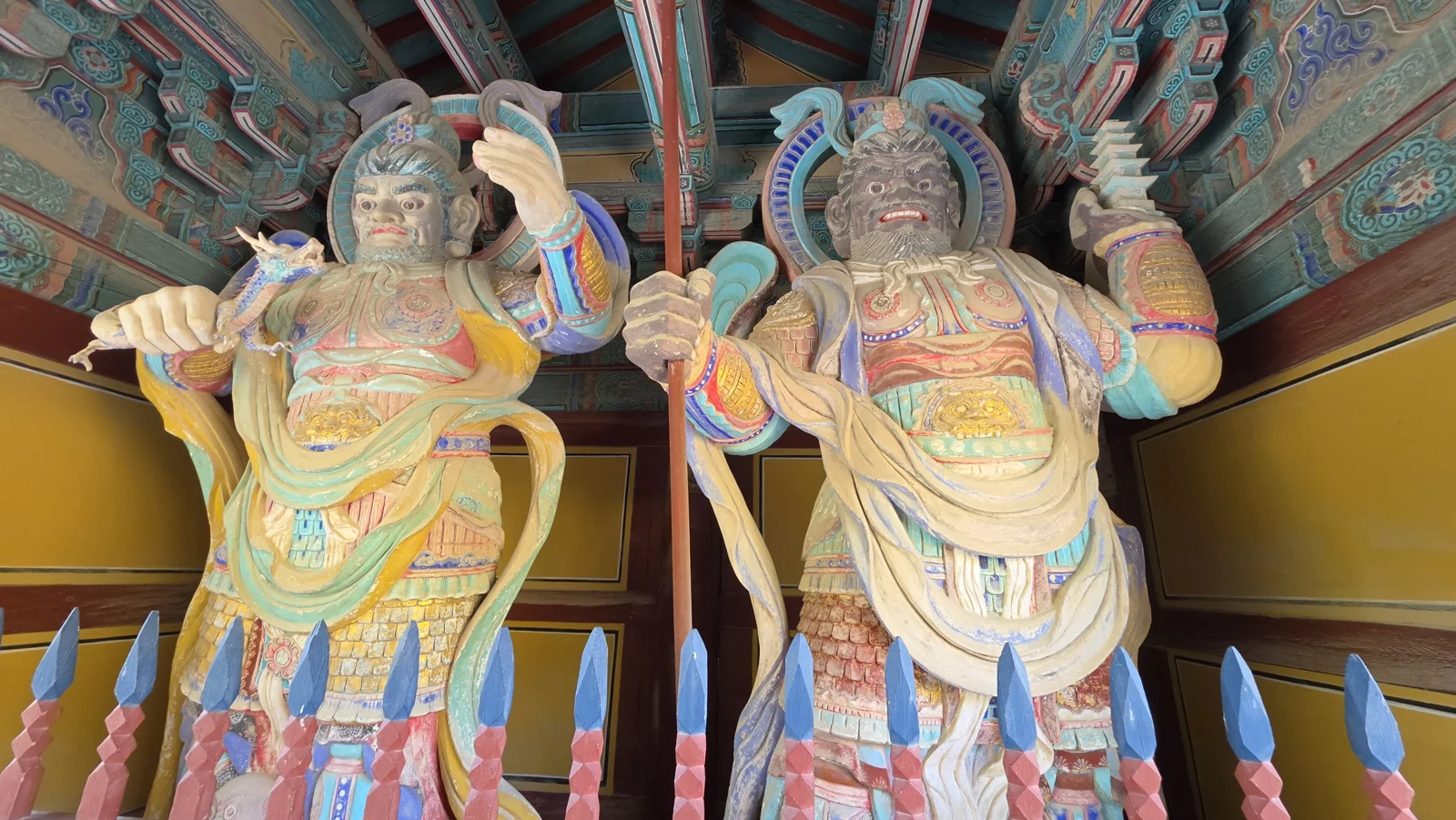
For your own visit, I’d give Bulguksa a separate part of the day. It is outside the central sightseeing area, so factor in the journey from your accommodation and leave time to explore once you arrive. Comfortable shoes help with the walking and steps, and it’s worth remembering that this is an active place of worship.
Trying Gyeongju’s ten-won bread
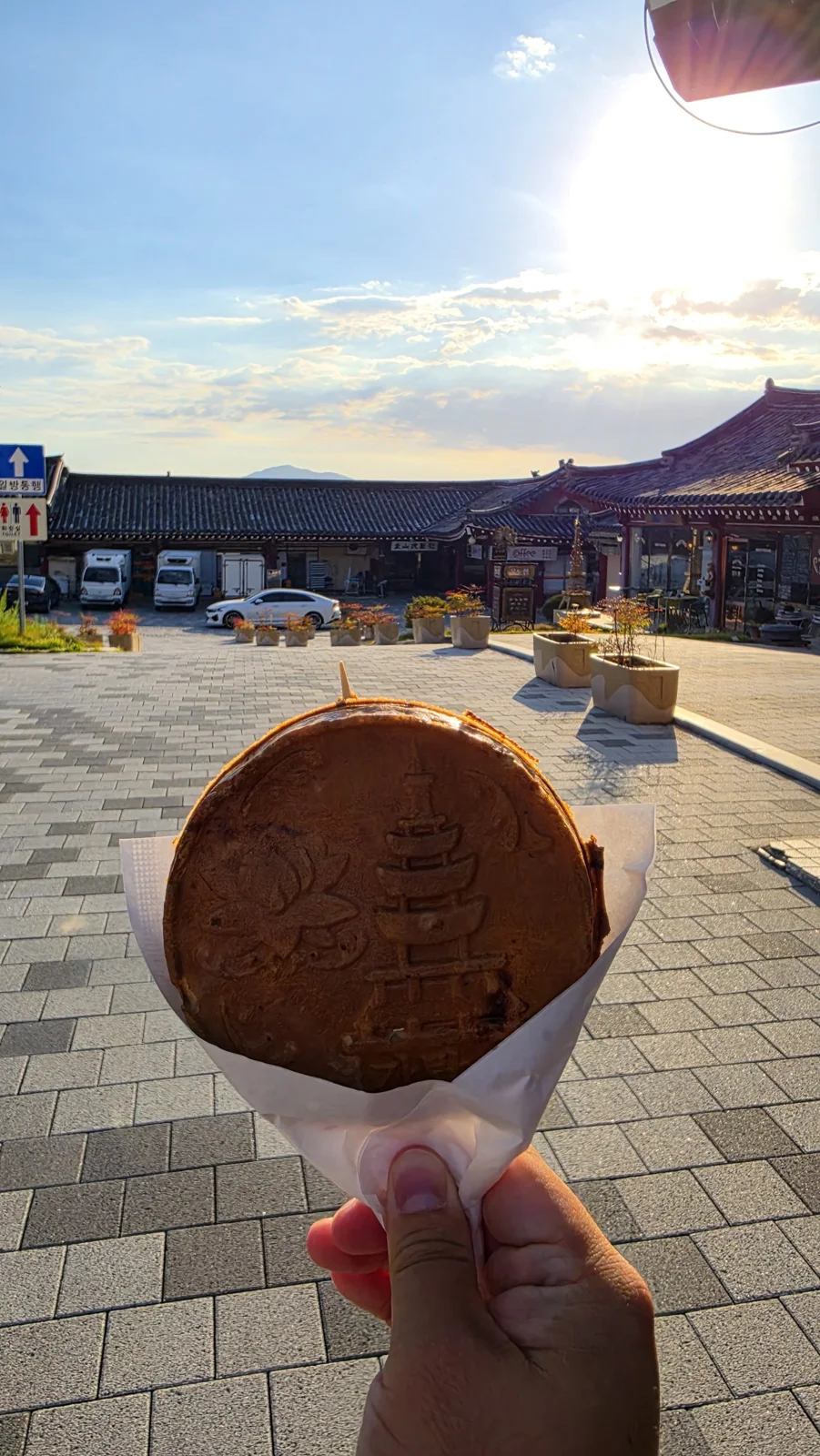
My weekend included sipwonppang, Gyeongju’s coin-shaped ten-won bread. The design is modeled on a Korean ten-won coin, and Visit Korea lists coin-shaped cheese bread among the snacks around Hwangnidan-gil.
It makes sense as a stop between walks around town: something small to eat before moving on to the next street or sight. The photo below is the one I had during this visit.
For more food ideas in the same area, Visit Korea’s food trail connects the market and hanok café streets.
Friday night: the bridge, lights, and fireworks
My Friday evening included fireworks and a nighttime performance in front of Woljeonggyo Bridge. After an afternoon of tombs and traditional streets, the lights brought a completely different energy to the trip. The bridge made a striking backdrop, with color across the buildings and the performance happening in front of them.
Woljeonggyo also carries a piece of Gyeongju’s history. The original bridge dates to the Silla period; the present reconstruction was completed in 2018. Visit Korea explains its history and restoration.
These clips are from the event during my visit, so I’d check the local event calendar for your own dates. The bridge itself is worth considering for an evening walk even when there isn’t a performance.
How I’d divide a first weekend
I’d give central Gyeongju and Bulguksa separate blocks of time. The temple is outside the main walking area, so fitting it between central sights means more travel and less time at each place.
- Central exploring: combine the tomb landscape and Hwangnidan-gil, then leave time for the side streets and a snack.
- Temple visit: give Bulguksa its own half-day with the journey included. Check current buses or taxis from your starting point in NAVER Map or KakaoMap.
- Evening: consider Woljeonggyo for the illuminated bridge. My fireworks clips are from the event during my October 9 visit; check the program for your own dates.
- Departure day: stay aware of the time needed to collect luggage and reach your station before adding another stop.
If you’re combining this with Busan, my two-day Busan guide and one-week Busan itinerary cover the city and coast. Gyeongju added something different to my travels: a weekend focused on history, traditional streets, and that feeling of stepping back in time.
More pages from the journey
Back to the journal